


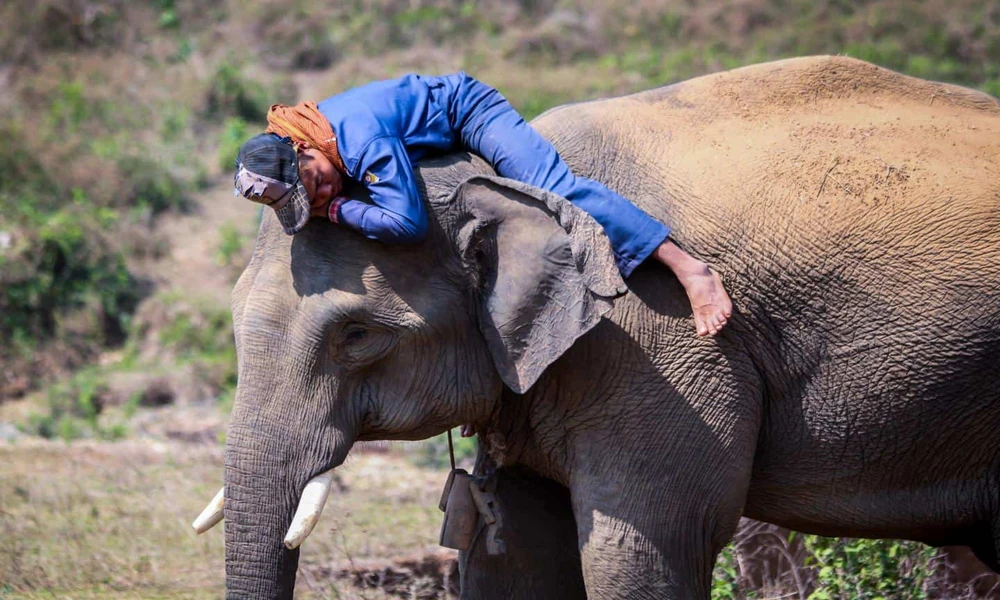
Rescued Elephants deserve attention after years marked by fear and neglect. Each animal needs time to regain trust as caregivers offer gentle routines with careful observation. Safe surroundings can support calmer behavior while patient handling builds confidence. Skilled teams also protect daily needs through thoughtful care. For people seeking responsible care standards, ethical elephant sanctuary thailand offers a useful reference.
Gentle Routines Restore Trust
Formerly exploited animals may react to unfamiliar sounds or sudden movement. Caregivers can create routines that reduce fear while allowing each animal to choose its distance. Quiet surroundings help staff notice changes in mood, posture, or social behavior. Gradual contact gives rescued animals greater control over daily interactions.
Safe Spaces Encourage Recovery
An enclosure should provide room for movement, with shade, water, and resting areas for activity. Boundaries protect each animal without forcing human contact. Care teams can adjust routines when an animal shows stress or needs more space. Such settings support calmer behavior while reducing pressure linked to hardship.
Care Centers Build Confidence
Good care depends on workers who understand animal signals and handle animals respectfully. An ethical elephant sanctuary thailand can show standards through observation, clean surroundings, and consistent routines. Staff members should avoid forcing contact when an animal withdraws or shows fear. Over time, interactions can help rebuild confidence for animals recovering from exploitation.
Daily Support Protects Wellbeing
Regular observation helps caregivers notice changes before concerns become serious problems. Records can track movement, rest, eating patterns, social contact, and unusual behavior. Staff can use these notes to improve routines while keeping each animal’s daily needs in focus. The goal remains steady support that respects age, history, temperament, and personal space.
Responsible Care Shapes Futures
Ethical rescue depends on choices that place animal needs before attention or entertainment. Useful practices include:
- Calm handling gives each animal time to accept nearby caregivers.
- Spacious areas allow natural movement without unnecessary human pressure.
- Consistent routines help reduce confusion during regular daily activities.
- Careful observation reveals changes in behavior before problems grow.
- Respectful boundaries protect trust while supporting safer direct contact.
These practices create a foundation for elephants recovering from earlier exploitation. Rescue requires ongoing commitment rather than periods of attention. Caregivers can preserve dignity by allowing natural choices whenever safety permits. Support from visitors can encourage standards that keep welfare at the center for elephants.
Formerly exploited creatures require patience, protection, and respectful habits following harsh treatment. Appropriate quarters should lower distress during chosen movement. Trained workers may observe conduct without forcing contact. Welfare rules guide decisions via healthier relationships among communities beside returned creatures. Ongoing support helps preserve dignity throughout recovery. Consistent principles further encourage humane choices that place creature welfare before public notice.
